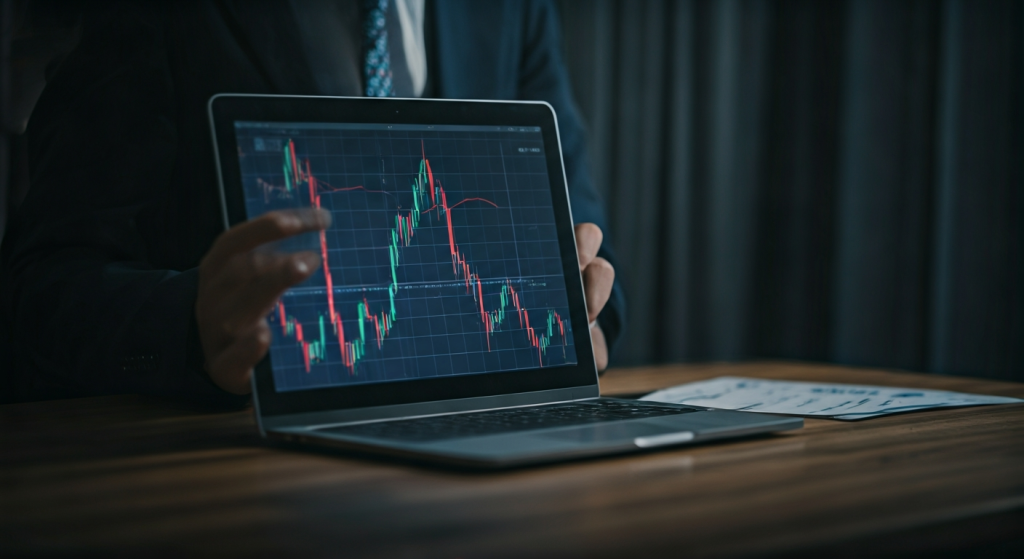
The allure of day trading is undeniable: the promise of rapid gains, the independence of working for oneself, and the thrill of navigating dynamic markets. Yet, behind every successful trader lies not just sharp intellect and quick reflexes, but a meticulously constructed environment designed for peak performance. This isn’t about fancy gadgets for their own sake, but rather about creating an ecosystem where decisions can be made with clarity, speed, and precision. Professional traders understand that their workspace is an extension of their strategy, a command center optimized to extract opportunities from the relentless flow of market data. Building an effective day trading setup is less about extravagance and more about strategic investment in tools that genuinely contribute to success.
The Foundation: High-Performance Hardware
At the heart of any serious trading operation is a robust computing system. This goes beyond a standard office computer. Professional traders often invest in a desktop PC with a powerful multi-core processor, ample RAM (typically 32GB or more), and a solid-state drive (SSD) for lightning-fast data access. These specifications ensure that multiple charting platforms, data feeds, and execution software run simultaneously without lag, preventing critical delays. Perhaps the most visually striking component of a serious setup is the display arrangement. A multi-monitor configuration is standard, with many traders utilizing three, four, or even six screens. These day trading setup monitors allow for constant visibility of various timeframes, different assets, news feeds, and order books, all at a glance. High-resolution displays are preferred for crisp chart clarity, while some traders opt for curved monitors to enhance immersion and reduce eye strain. Beyond the main computer, a stable and fast internet connection is non-negotiable; fiber optic is often the preferred choice to minimize latency and avoid connection drops during volatile market periods. An uninterruptible power supply (UPS) also provides crucial backup, safeguarding against sudden power outages that could lead to significant losses.
Software Essentials for Precision Trading
While powerful hardware provides the engine, sophisticated software delivers the navigation and control. Professional traders rely on a suite of specialized applications. At the core are advanced charting platforms, which offer extensive technical analysis tools, custom indicators, and the ability to track multiple markets simultaneously. Platforms like MetaTrader 4/5, TradingView, or NinjaTrader are common choices, providing the depth needed for detailed market dissection. Equally vital are real-time data feeds, often paid subscriptions, that deliver market information directly from exchanges with minimal delay. This low-latency data is a competitive edge, ensuring traders are reacting to the most current prices. Brokerage platforms are another critical component, chosen for their reliability, low latency order execution, and robust API capabilities for automated strategies. Many professional traders also use specialized trading journals and analytics software. These tools help track performance, identify patterns in trading behavior, and pinpoint areas for improvement, transforming raw trading data into actionable insights. This systematic review is a cornerstone of continuous improvement, turning every trade, win or loss, into a valuable learning experience.
Crafting Your Edge: Trading Strategies and Setups
Beyond the physical and digital tools, the “setup” truly comes alive through the strategies employed. A day trading setup isn’t just about hardware; it’s about the repeatable methodology used to identify and exploit market inefficiencies. Professional traders spend countless hours backtesting and refining their approach to find the highest probability trading setups. These setups are specific patterns, indicators, or confluence of factors that signal a likely market move. For instance, common trading setups examples include breakout strategies from consolidation patterns, trend-following approaches using moving averages, or reversal strategies near key support and resistance levels. The goal is to develop a simple day trading strategy that is objective, clearly defined, and consistently applied. This might involve looking for specific candlestick formations on a five-minute chart, combined with a particular volume profile, before entering a trade. For those interested in digital asset markets, understanding the unique dynamics of crypto day trading might require a different set of indicators and market hours. Similarly, the fast-paced nature of currency markets demands specific expertise, with strategies such as a 1-hour forex strategy being popular for those seeking shorter-term opportunities. The key is finding what works for one’s personality and risk tolerance, then consistently executing that plan.
The Unseen Edge: Psychology and Risk Management
No matter how sophisticated the hardware or how robust the software, the human element remains paramount. The most advanced day trading setup is ineffective without strong trading psychology and rigorous risk management. Professional traders cultivate emotional discipline, learning to detach from the outcome of individual trades and focus on the overall process. This means resisting the urge to chase entries (FOMO), avoiding revenge trading after a loss, and sticking to their plan even when market conditions feel uncertain. A core tenet is strict risk management. This involves defining a maximum loss per trade and per day, calculating appropriate position sizing based on account equity, and always using stop-loss orders to limit potential downside. Understanding the statistical edge of a chosen strategy is also vital; professional traders know their win rate and average risk-to-reward ratio, allowing them to maintain confidence even during drawdown periods. Continuously refining one’s mental game through self-awareness, meditation, or even coaching is as important as refining a technical indicator. Ultimately, the best setup integrates all these elements: powerful tools, a refined strategy, and an ironclad mindset, all contributing to a comprehensive traders guide for navigating the markets.