
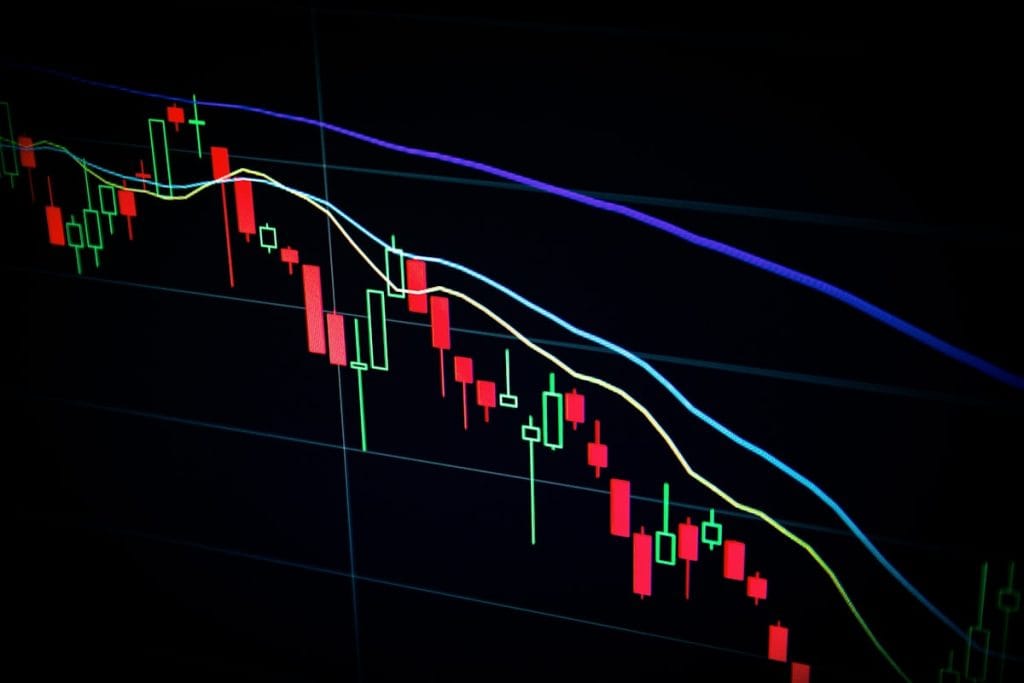
Market volatility is an inevitable aspect of investing that can make even seasoned traders nervous. Understanding how to navigate these turbulent waters is crucial for long-term financial success and wealth preservation.
What Drives Market Volatility?
Market volatility stems from various factors including economic uncertainty, geopolitical events, and investor sentiment. When markets experience rapid price swings, it often reflects underlying concerns about economic stability or unexpected news that impacts investor confidence.
The Psychology Behind Market Movements
Investor behavior plays a significant role in market volatility. Understanding market cycle psychology helps traders recognize emotional patterns that drive buying and selling decisions. Fear and greed are powerful motivators that can amplify market movements beyond fundamental valuations.
Technical Analysis Tools for Volatile Markets
During volatile periods, technical analysis becomes particularly valuable. Chart patterns can help identify potential reversal points, while indicators like Heikin Ashi candlesticks smooth out price action to reveal underlying trends. The hammer candlestick pattern often signals potential reversals in volatile markets.
Risk Management Strategies
Effective risk management becomes critical during volatile periods. Diversification across different asset classes, including traditional investments and various types of cryptocurrency, can help reduce portfolio risk. Setting stop-losses and position sizing appropriately protects capital during unexpected market moves.
Staying Informed and Avoiding FOMO
Market volatility often triggers FOMO (Fear of Missing Out) among investors. Staying informed through reliable sources and maintaining a disciplined approach to investing helps avoid emotional decision-making that can lead to significant losses.
